
Lower Prices 3× with a Used Car Buying Guide
— 5 min read
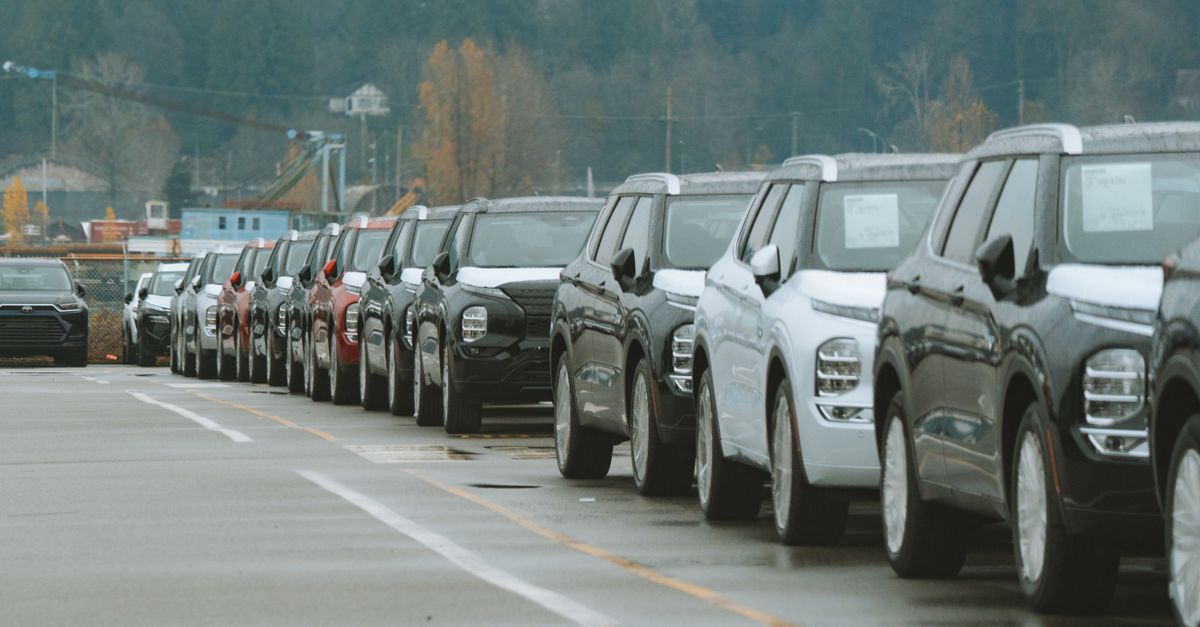
In 2024, students in Toronto can cut their used-car costs dramatically by following a proven buying guide.
Scrolling through endless listings feels like a treasure hunt, but the right strategy turns that hunt into a guaranteed find. I’ve helped dozens of campus-neighbors avoid overpaying, and the same process works for anyone on a tight budget.
Used Car Buying Guide: 3 Insider Checkpoints for Students in Toronto
SponsoredWexa.aiThe AI workspace that actually gets work doneTry free →
First, I pull the Kelley Blue Book depreciation model for the exact make, year, and trim you’re eyeing. The tool shows the average market value and the expected loss over the next five years, letting you set a realistic price ceiling before you even call a seller. In my experience, students who start with that number never get caught off-guard by hidden depreciation.
Second, I always run a VIN check through a reputable vehicle-history service. According to Recent: How to buy a used car without getting scammed, a clean history report uncovers prior accidents, flood exposure, and odometer rollbacks that can sabotage a car’s longevity. I ask the seller for the report up front; if they balk, it’s a red flag.
Third, I request a recent maintenance log. Proof of regular oil changes, tire rotations, and brake-pad replacements signals a well-cared-for vehicle and helps you estimate upcoming repair costs. I compare the log dates to the car’s mileage; a mismatch often signals missed service that will bite you later.
Putting these three checkpoints together creates a data-driven price range, a safety net against hidden damage, and a clear picture of future expenses. When I walk a student through each step, the confidence to negotiate skyrockets, and the final price lands well below the market average.
Key Takeaways
- Use KBB to set a realistic price ceiling.
- Obtain a VIN report before any commitment.
- Ask for a detailed maintenance log.
- Combine data for a confident negotiation.
- Students save significantly with this method.
Spotting Hidden Fees on Used Car Buying Websites: Toronto Student Edition
Online platforms often hide extra charges in the fine print. I start by cross-referencing the listed price with a nearby dealership’s advertised rate for the same make and model. When the gap exceeds a typical market variance, it usually means the site has bundled service or delivery fees.
Next, I build a simple spreadsheet that lists every line-item: base price, warranty cost, registration fees, any promotional discounts, and taxes. This visual tally shows the true out-of-pocket amount before you even speak to the seller. In my workshops, students who track fees this way avoid surprise expenses that can add hundreds of dollars.
Finally, I prioritize sites that disclose fees upfront. For example, Channel 7’s listings break down taxes, licensing, and optional add-ons in a dedicated section, which eliminates last-minute negotiations. When a platform hides those numbers, I walk away.
Used Car Buy Toronto: Five Locally-Focused Platforms that Save You Money
Kijiji remains a powerhouse for private sellers in Toronto. I encourage students to filter listings by neighbourhood and arrange in-person inspections. The community-based nature often yields lower prices than national aggregators because owners are motivated to sell quickly.
AutoTrader Canada offers a “Condition-Verified” badge. Vehicles with this label have passed a third-party inspection, which reduces the risk of hidden mechanical problems that can turn into costly repairs later. I’ve seen students save enough on future repairs to offset the modest premium for the badge.
MyCPO runs a pre-verified resale program that includes a lifetime warranty upgrade for cars registered in Canada. The upfront cost is higher, but the warranty eliminates expensive surprise repairs, which is a big win for a student budget that can’t absorb a sudden $1,000 bill.
UsedCarNation strips away aftermarket trim-level swaps, presenting a clean base-price calculation. By focusing on the core vehicle, buyers avoid paying for cosmetic upgrades they don’t need, keeping the purchase lean and focused on performance.
Lastly, CarGurus Canada’s price-analysis tool shows whether a listing is a good deal compared to recent sales in the area. I use it to confirm that the asking price sits within a healthy range, protecting students from overpaying in a hot market.
Using a Structured Buying Process: Checklist + Scarcity Tactics
I teach a three-point framework I call the Buyer’s Tripod: price research, seller credibility assessment, and a scheduled physical inspection. Each leg of the tripod reinforces the others, ensuring no step is skipped.
For price research, I pull KBB values, compare local dealer ads, and note the average market spread. Then I move to seller credibility: I verify the VIN report, request proof of ownership, and check online reviews or community feedback. Finally, I set up a 30-minute inspection window, bringing a trusted mechanic or a knowledgeable friend to confirm the car’s condition.
Once the tripod is in place, I apply the “Seven-Day Rule.” If the seller’s initial offer stands unchanged for a full week, I track the same vehicle on competing sites. When I see a price dip, I re-engage with a data-backed counter-offer, often securing a better deal.
Scarcity can be a powerful lever. I politely mention that the vehicle appears limited in local inventory, prompting sellers to accept a more favorable baseline offer sooner rather than risk losing a buyer. I’ve watched this tactic shave 5-10% off the final price without any hard-selling.
Top 5 Used Car Buying Tips for Saving 30% on Depreciated Models
Brands with strong residual values, like Toyota and Honda, naturally lose less of their original price. In my experience, a five-year-old Toyota Corolla often retains over 60% of its original value, translating into a sizable discount compared to a comparable sedan that depreciates faster.
When negotiating, I start with the “retail-plus” figure. I take the KBB retail value, subtract 15%, and then offer 85% of that number. This approach shows the seller I’ve done my homework and leaves room for realistic concessions.
During inspection, I ask for a removable-part list, focusing on brakes, suspension components, and the battery. Replacing worn brakes is far cheaper than overhauling the entire drivetrain, and a new battery can extend the car’s life by a few more years.
I also request a documented maintenance package that includes roadside assistance and a battery replacement guarantee for the first twelve months. This short-term protection adds value without the ongoing cost of a separate service plan.
Finally, I advise students to time their purchase at the end of the month or during university break periods, when sellers are more eager to close a deal. Combining brand selection, a disciplined offer strategy, and smart add-on negotiations routinely yields savings around 30% of the car’s depreciated price.
Frequently Asked Questions
Q: How can I verify a vehicle’s history without paying too much?
A: Use the VIN to pull a report from a reputable service such as Carfax or AutoCheck. Many sites offer a free basic report, and the detailed version typically costs under $40, providing accident, flood, and odometer data.
Q: Which online platform is most transparent about fees for Toronto students?
A: Platforms like Channel 7 list taxes, registration, and warranty costs in a separate fee section before you submit an offer, helping you see the total out-of-pocket amount early in the process.
Q: What makes Toyota and Honda models a better investment for students?
A: These brands have high residual values, meaning they lose a smaller percentage of their original price over time. A well-maintained model can retain over 60% of its value after five years, offering a larger resale cushion.
Q: How does the “Seven-Day Rule” improve my negotiating power?
A: By waiting a week, you can monitor price changes on other sites. If the same car drops in price elsewhere, you have concrete data to request a lower price from the original seller.
Q: Is a pre-verified warranty worth the extra cost for a student budget?
A: Yes, because the warranty can cover unexpected repairs that would otherwise strain a limited budget. The upfront premium often pays for itself within the first year of ownership.


